
"Ethiopian G1"
700 article(s) found

Description of the Flavor of single Bean in Cochell Manor planting History planting area treatment planting varieties
For the exchange of professional baristas, please pay attention to the coffee workshop (Wechat official account cafe_style), which is close to Arsi region (Arsi) in Oromia Region, Ethiopia, 310km southeast of the capital Addis Ababa, west of the ancient city of Harar, is a rich forest, located in a small producing area at an altitude of 1800-2000m. Guoduoqia farmers attach importance to shade

Introduction to the characteristics of Lim Flavor in Ethiopian Coffee producing area the flavor differences of eight boutique producing areas
For the exchange of professional baristas, please follow the coffee workshop (Wechat official account cafe_style) Ethiopia Lim G1 washing (Ethiopia Washed Limu G1) flavor description: exquisite floral flavors, bright acidity of apple, aloe and kumquat, variable layers on the palate, and a sweet finish of lemon, sandalwood and cocoa in the middle and rear. Country of origin: Ethiopia (Eth

Ethiopia Yega Shefi G1 Red Cherry Plan Aricha
Professional barista exchanges, please pay attention to coffee workshop (Weixin Official Accounts cafe_style) Ethiopia Yirga cheffe G1 red cherry plan Aricha unique geographical environment Yirga cheffe is a small town in Ethiopia, with an altitude of 1700-2100 meters. It is one of the highest coffee producing areas in the world and synonymous with Ethiopian fine coffee. Turka

Grinding characteristics of Ethiopian Yega Xuefei Kochere washed G1 Coffee Flavor description method
Compared with the traditional sun-treated Harald area, sun exposure is not common. As the first washing plant in Ethiopia, coffee drinkers are more familiar with Yejia, which is famous for its elegant lemon and citrus style. The coffee flavor treated by water washing is not easy to have wild flavor and is pure.

What is the native variety? What is the grading system for Ethiopian beans?
Compared with Kenya, beans in Ethiopia are generally of different sizes and have significantly lower evenness. Whether it is Yega Xuefei or Sidamo, whether it is washing or sunlight, sometimes the same batch of coffee beans can be seen to be significantly different in baking color and particle size. Why are Ethiopian coffee beans always big and small? People who often drink Ethiopian coffee should have heard of [H]

Flavor description of Yega Xuefei G1 washed coffee beans introduction to the producing areas of taste varieties
Description of the flavor of washed coffee beans in Yejasuefi G1 the producing area of Yejasuefi is a small town with an elevation of 700-2100 meters, which is synonymous with Ethiopian boutique coffee. It has been a wetland since ancient times. The ancient saying "Yirga" means to settle down and "Cheffe" means a wetland. The mode of production and flavor of coffee here are so prominent that Ethiopian coffee farmers

Cochell Manor single Bean production area introduces how to brew single Bean in Cochell Manor
For professional baristas, please follow the coffee workshop (Wechat official account cafe_style) Ethiopia Cochel washing Debu G1 Ethiopia Kochere Washed DEBU G1 ■ country: Ethiopia ■ producing area: Cochell, Debu ■ altitude: 1600m-2500m ■ treatment method: washed ■ Grade: G1 ■ Variety: original species ■ Flavor description

Introduction to the quality characteristics of the method of describing the Flavor of Ethiopian Yega Xuefei washed G1 Coffee
Ethiopian coffee washing technology Yejaschefine itself is a small town with a population of about 20,000. Because the taste of coffee produced by Wenago, Kochere and Gelena Abaya is similar to that of Yejasuffe, it is similarly classified into the regional category of Yejasuffe. Yejasuffe is similar to Sidamo in both cultural and geographical environment.

Ethiopian Yega Shefi Kocher Coffee Flavor Description Processing Features Grinding Scale Introduction
Ethiopia Yega Shefi Coffee Introduction Aricha's processing plant waits for the coffee beans to mature, then removes the dried cherry pulp and sheepskin before shipment, and then removes the unripe beans and over-fermented beans. Perhaps it is this strict control that makes Aricha top the G1. This green coffee bean is full of the sweet and fermented aroma of Sydney. The taste is clear

Gucci Ethiopia G1
Ethiopian Coffee Flavor description introduces Ethiopian Sidamo as a type of single origin that grows in Arabica coffee in Sidamo Province, Ethiopia. Like coffee in most African countries, Ethiopian Sidamo is characterized by small gray beans, but characterized by its rich, spicy, wine or chocolate-like taste and floral aroma. Of all the Sidamo coffee, the most
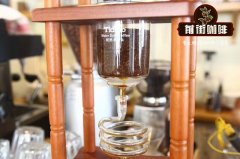
Coffee from Africa with sweet taste and rich floral aroma Ethiopian gardenia G1
For more information on coffee beans, please follow the Coffee Workshop (official Wechat account cafe_style) although Ethiopia is an underdeveloped country in northeast Africa, it is a famous coffee producer in the world. Ethiopia has the most diverse coffee ecosystem in the world (forest coffee, semi-forest coffee, pastoral coffee and plantation coffee).

Essel washed Sidamo G1 Shakiso shakisso Fine Coffee beans Grinding degree roasting degree treatment
Factory name: Dazhen Coffee Qianjie Cafe location: Guangzhou Baoqian Street 10 manufacturer contact Information: 38364473 ingredients Table: self-baking shelf life: 90 net content: 227g packing: raw and ripe coffee beans in bulk: whether coffee beans contain sugar: sugar-free origin: Ethiopian coffee types: other roasting degrees: light roasting Ethiopian Sidamo Shakisso

The history, culture and story allusions of the holy boutique beans in the Yega Ficochel area
For the exchange of professional baristas, please pay attention to the history, culture, stories and allusions of the holy boutique beans in the coffee workshop (Wechat official account cafe_style). The most famous producing area in southern Ethiopia is the highest elevation Yegashev district, where more than 90% of the coffee is grown by local small farmers.

How to deal with the processing of single beans in Cochell Manor? how to divide the grades of single beans in Cochell Manor?
For the exchange of professional baristas, please pay attention to the coffee workshop (Wechat official account cafe_style) Cochel is located in the southwest of the town of Gedeo, near Chelektu, a small village in Gedeo district. Although this coffee is also typical of Yega Sheffei, the coffee from each small production area still has its own special flavor, and the Adado area has a drupe flavor; Konga has
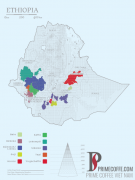
Coffee producing country Ethiopia | what is the grade standard of fine coffee beans G1 Q1 and its new rules
Ethiopia has always been a big coffee country, where thousands of coffee trees are planted. She is not only the treasure of coffee, but also the moonlight in the hearts of many coffee lovers. With regard to the grading of raw beans in Ethiopia, let's study the following: the grading of the Ethiopian Coffee Bureau is based on the cup test and the quality of raw beans: first, the quality of the cup test: according to the cleanliness of raw beans
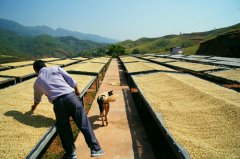
Ethiopian Yega Xuefei G1 aricha Coffee introduces Solar Fine Coffee beans Ethiopia
Yega Xuefei is produced at the Kebel Aricha processing plant, where there are about 650,700 small coffee farmers who send ripe coffee berries here for processing in exchange for cash. After the treatment plant selects the available berries, they are directly exposed to the sun on the scaffolding and are turned every 2-3 hours in the first few days to prevent overfermentation. After four to six weeks of sun exposure, workers will look at the weather and temperature.

Coffee knowledge: what does the Ethiopian Yega Snow Coffee mean? what does G1 mean?
As the hometown of coffee, thousands of years of planting history and processing tradition in Ethiopia have created high-quality washed Arabica beans. Ethiopia's Yirgacheffe coffee is one of the most unique coffee beans in the world today: it has a strong aroma of flowers, lemon, strong acidity but soft and smooth taste.

Woka Worka Estate Ethiopian Coffee Bean Yega Sherffi G1 Grade Sherffi Native Species
This bean comes from a single farm in Ethiopia and is processed by the Worka cooperative. Alemayehu Alako Farm is a member of the Waka Cooperative. Waka Cooperative was founded in 2005 and joined the Yirgacheffe Coffee Farmers Cooperati (YCFCU) in 2005.

Biloya Biloya Cooperative washes Ethiopian Yega Xuefei G1 original Coffee Caf é
The winner of the Sasa Sestic,2015 World Barista Competition and his business team ONA Coffee started a raw bean shopping program called Project Origin three years ago. The project works directly with coffee growers in poor countries and regions to improve their production conditions and give them a purchase price 20% higher than the fair trade price. The original intention of the development is also included.

Ethiopian cocoa honey processing plant information material King of Africa Sun Yega G1 Coffee Flavor
Professional barista exchange please follow the coffee workshop (Wechat official account cafe_style) 2017 Guatemala Raminita processing plant Guatemala Raminita pill beans La Minita La Flor Peaberry La Minita star products, produced by the Guatemalan processing plant Las Pastores, under the strict supervision of Raminita Group